About Us
About Kenhardt
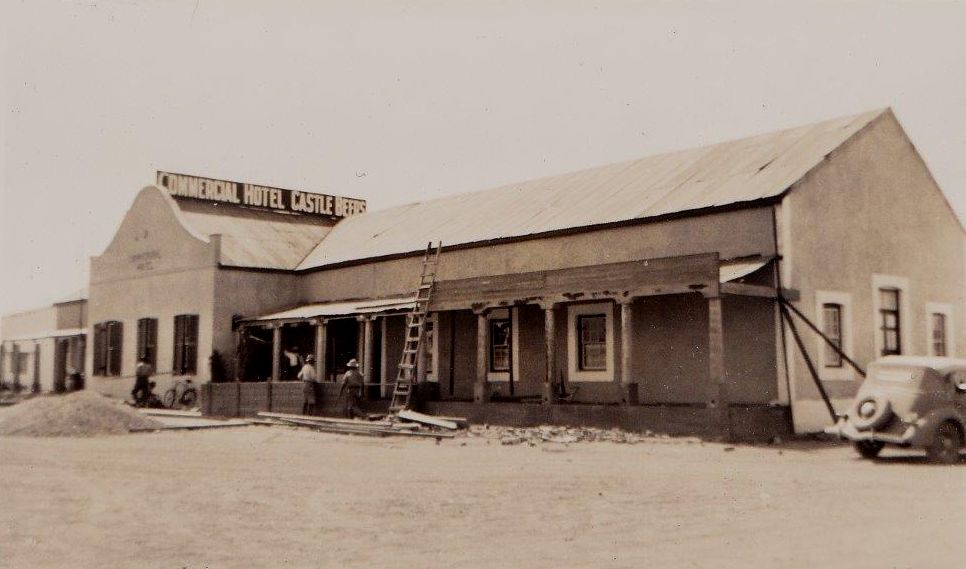
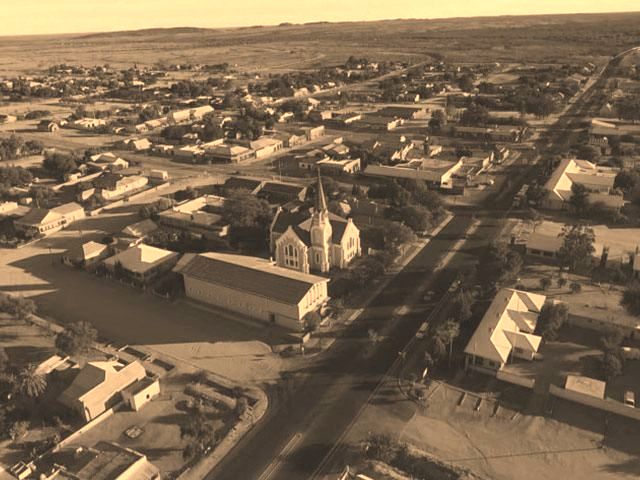
Kenhardt, a small town in South Africa's Northern Cape Province, was founded in 1868. The town's history began when a police contingent and a special magistrate were sent to Kenhardt on December 27, 1868, to confront the Griquas (also known as the Koranna), who conflicted with the colonial forces. The contingent set up camp under a camelthorn tree, still standing today, and the town eventually developed around it.
For a long time, this has been the most remote settlement in the North-Western Cape. Over time, the town developed around this tree, eventually becoming a municipality in 1909.
Kenhardt is famous for being at the heart of the Dorper sheep-farming area of South Africa and an Afrikaans-speaking community. This region is arid and contains very little vegetation, primarily driedoring shrubs, and tall bushman grass (also known as boesmangras) among a rocky desert landscape. If you travel south from Kenhardt towards Brandvlei, you will pass through a huge landscape of bushman grass and rocky desert-like areas for the next 150km or more.
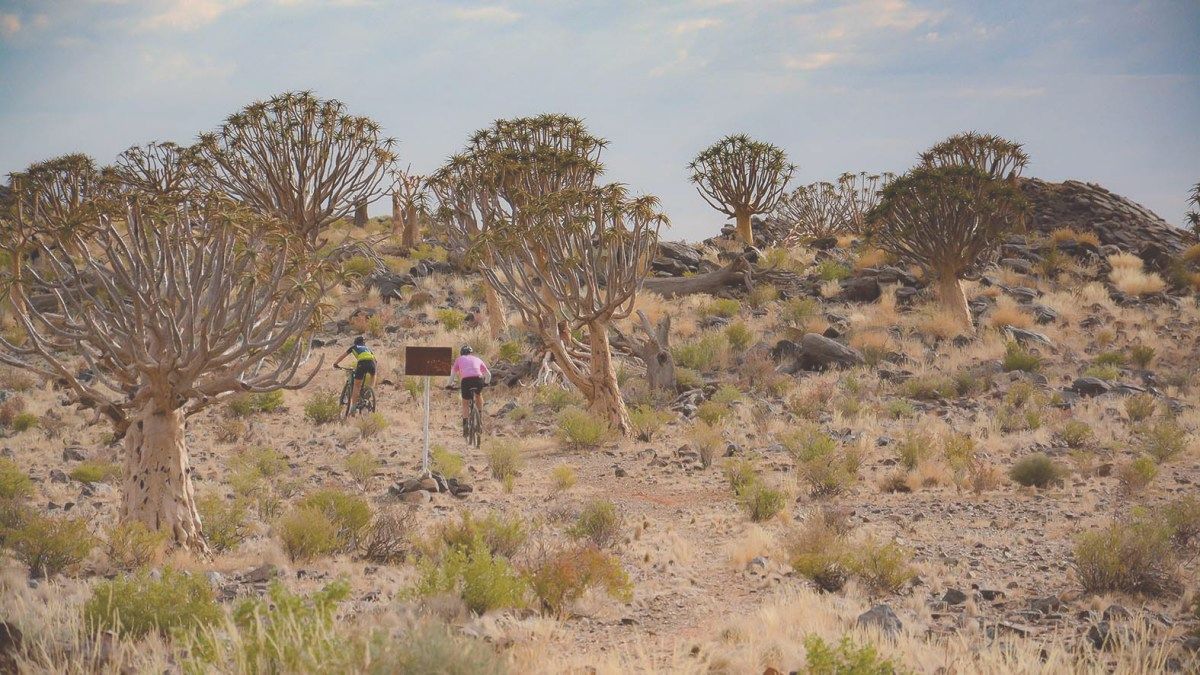
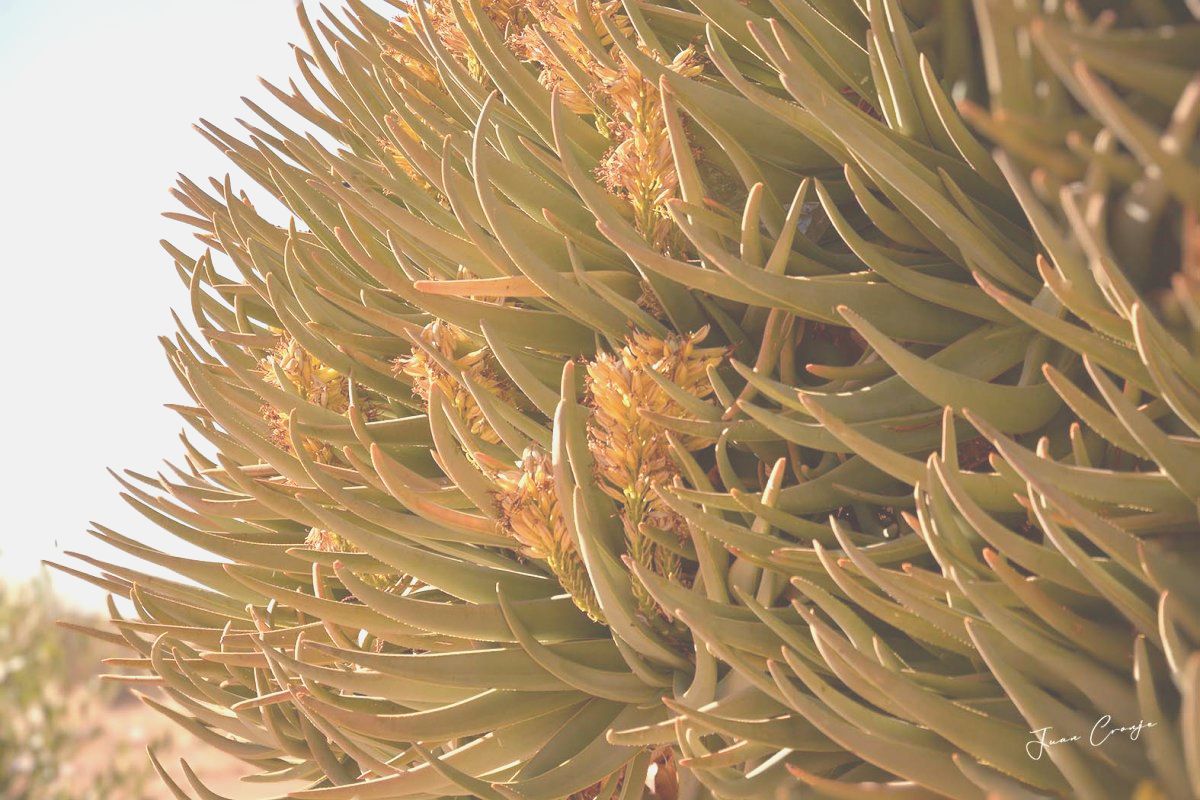
This little town lies on the border of the Bushmanland and the Upper Karoo. Bushmanland is an arid area inland from Namaqualand. It is probably the most inhospitable area in South Africa, arid and largely with infertile soil and highly saline groundwater. Its wildlife, however, both fauna and flora, though sparse, are full of interest. Although the veld is too arid to bloom like that of Namaqualand, even when there is some spring rain. What does appear is highly unusual and often hauntingly so, as the local quiver tree forest, home to approximately 5,000 quiver trees, starts blooming. The Bushmanland is home to millions of quiver trees.

Oom Frik Se Selfsorg Akkommodasie
Frik Mans, a semi-retired farmer, and Roelien were both born and schooled in Kenhardt. Frik has been the owner of the so-called "Nagmaalkamers" since 2004.